What is included in paid advertising management?
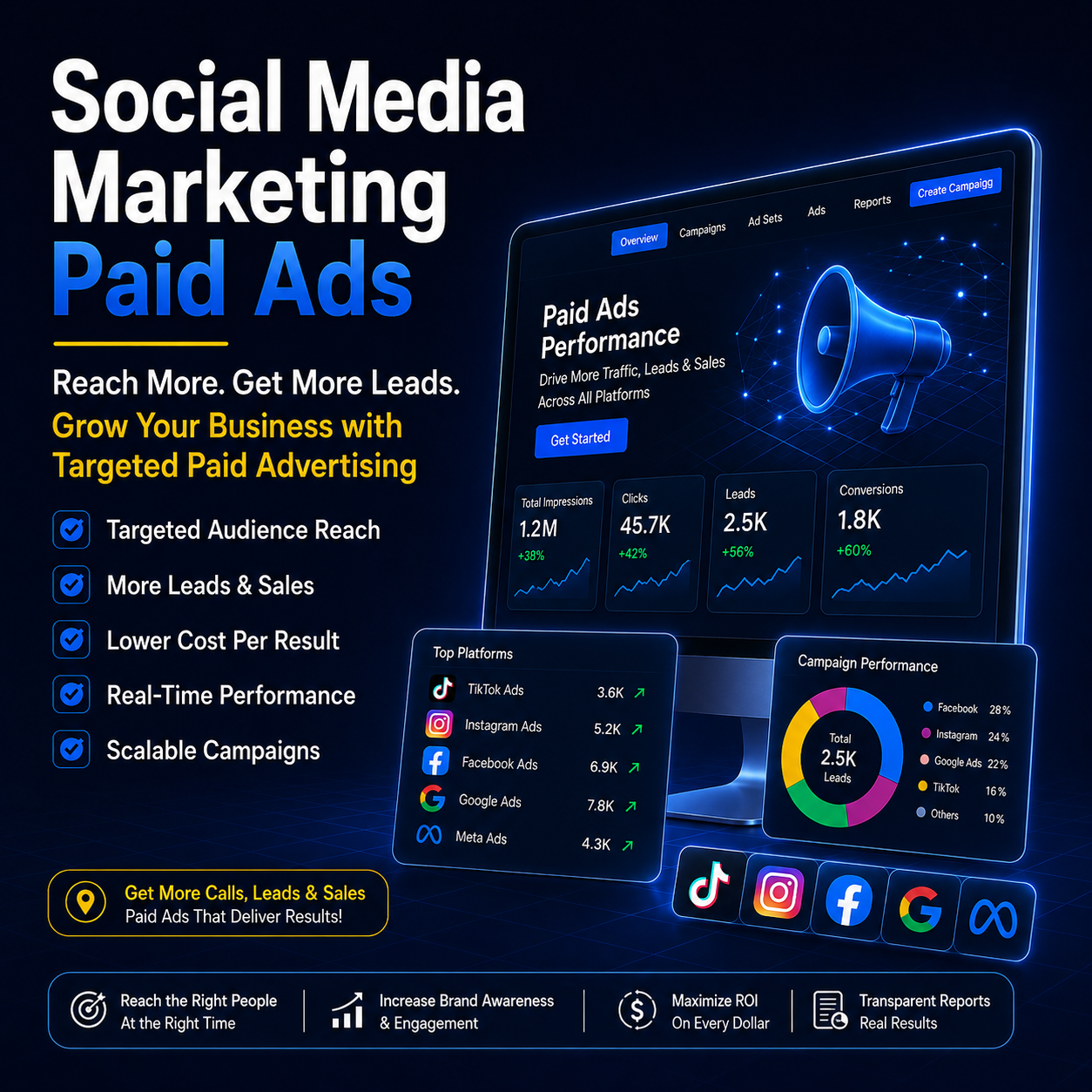
Paid advertising management can include platform selection, keyword research, audience targeting, campaign structure, ad copy, creative, landing page alignment, conversion tracking, budget management, bid strategy, testing, optimization, and reporting. The exact mix depends on the platform, service, campaign objective, available budget, geographic coverage, creative assets, and whether the goal is calls, forms, messages, appointments, purchases, or website traffic.
How are Google Ads different from social media ads?
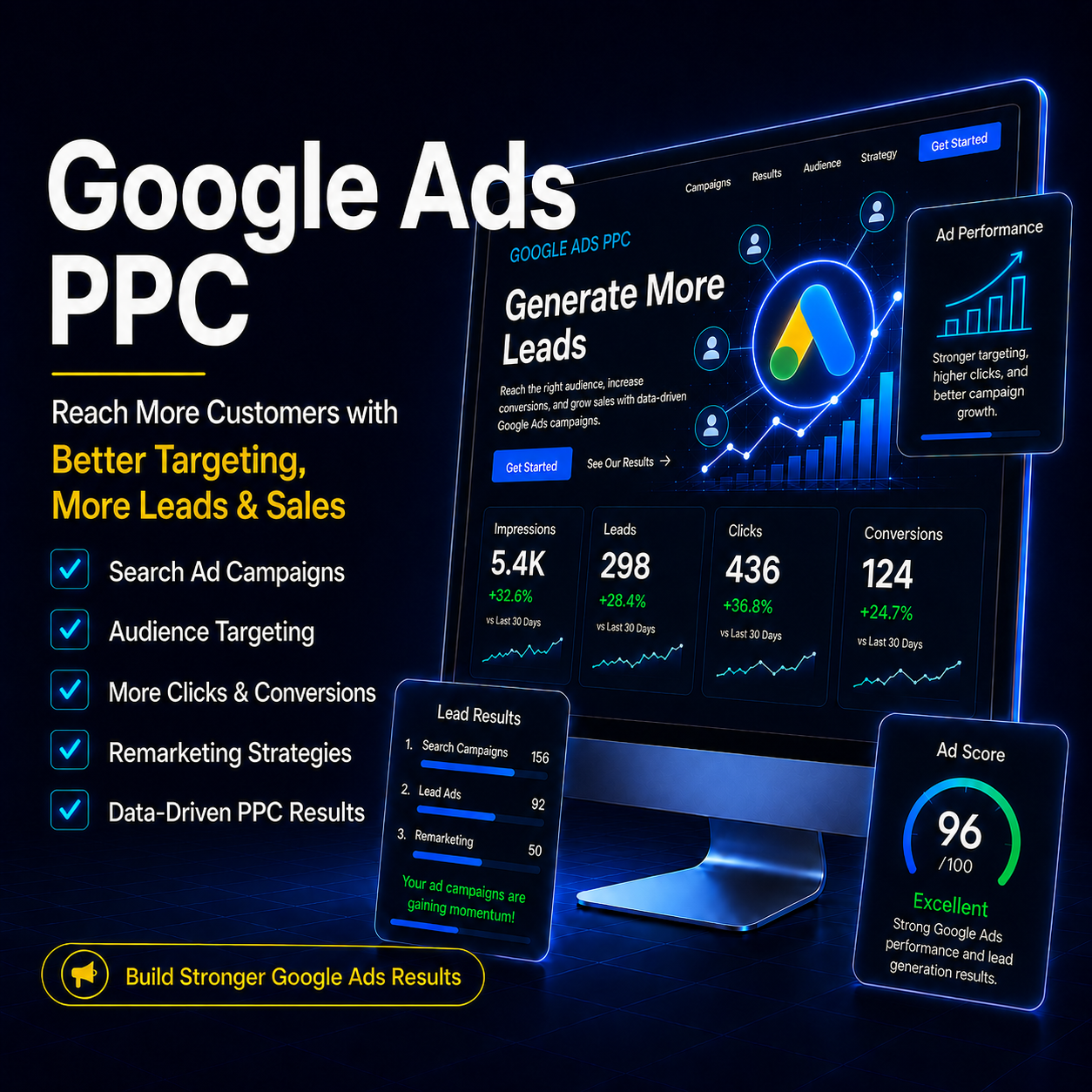
Google Ads can reach people actively searching for a service, while TikTok, Facebook, and Instagram ads can reach audiences based on interests, behaviors, engagement, demographics, and previous interactions. Search advertising often captures existing demand. Social advertising can create demand, demonstrate services visually, promote offers, and retarget people who visited the website or engaged with previous content.
How do TikTok Ads work?
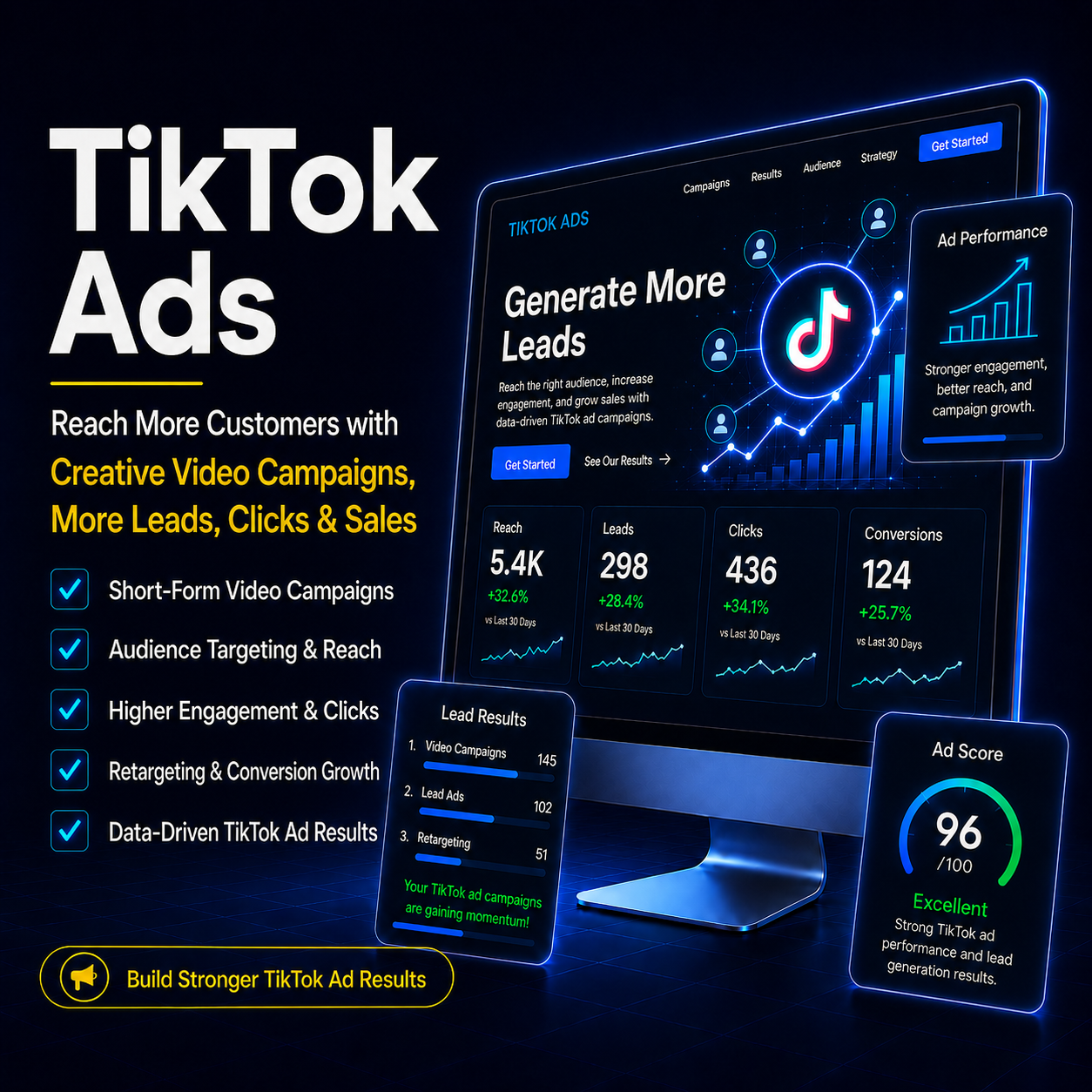
TikTok Ads place short-form video campaigns inside a mobile feed using audience targeting, campaign objectives, budgets, placements, and conversion tracking. Strong TikTok campaigns use clear opening moments, authentic presentation, captions, visual demonstrations, and direct calls to action. Videos, audiences, and offers are tested so stronger combinations can receive more budget while weak creative is adjusted.
Can Facebook and Instagram Ads generate leads?
Facebook and Instagram Ads can generate leads through instant forms, website landing pages, calls, messages, appointment links, and retargeting campaigns. Results depend on the audience, offer, creative, budget, landing page, conversion tracking, and follow-up process. Strong campaigns match the advertisement with a clear next step and request only the information needed to contact or qualify the lead.
How much should be spent on paid advertising?
Advertising budgets depend on competition, location, service value, platform, audience size, conversion rates, and campaign goals. A useful starting budget should generate enough activity to evaluate keywords, audiences, and creative without creating unnecessary risk. Spending can be adjusted as lead quality and cost data become available. Management fees and advertising spend should be tracked separately.
Why is conversion tracking important?
Conversion tracking shows which campaigns, keywords, audiences, ads, and placements produce calls, forms, messages, appointments, purchases, or other valuable actions. Without accurate tracking, optimization may focus on clicks or engagement that do not become real opportunities. Reliable data also supports automated bidding, budget decisions, campaign reporting, and comparisons between Google, TikTok, Facebook, and Instagram.
How long does it take to improve a paid campaign?
Campaigns can begin generating data after launch, but meaningful optimization usually requires enough clicks, impressions, and conversions to identify patterns. Timing depends on budget, competition, audience size, search volume, tracking quality, creative, and lead volume. Early adjustments may address obvious problems, while stronger performance develops through testing, search-term reviews, audience refinement, and landing page improvements.
Do paid ads need a dedicated landing page?
A dedicated landing page is not always required, but it often improves performance when the existing website page is too broad or does not match the advertisement. Strong landing pages repeat the service and offer, load quickly, work well on mobile devices, provide trust signals, and make calls, forms, messages, or appointments easy to complete without unnecessary distractions.